A Step-By-Step Guide To 20 Feet Container Size From Start To Finish
Understanding 20 Feet Container Size: Specifications, Uses, and FAQs
When it pertains to shipping and storage, containers play a crucial function in making sure effectiveness and safety. Size Of A 20ft Container of the most frequently used container sizes is the 20 feet container. Whether for global shipping, saving items, or moving, understanding the dimensions and specifications of a 20 feet container is necessary. This blog post will cover the dimensions, types, and finest practices for using a 20 feet container, in addition to a detailed FAQ area.
Specifications of a 20 Feet Container
The 20 feet container is versatile and can be utilized for a variety of shipping and storage needs. Below is a table that lays out the crucial specifications.
Specification
Metric Measurement
Imperial Measurement
Exterior Length
6.058 m
20 ft
Outside Width
2.438 m
8 ft
Outside Height
2.591 m
8.5 ft
Interior Length
5.898 m
19.4 ft
Interior Width
2.352 m
7.7 ft
Interior Height
2.385 m
7.9 ft
Maximum Gross Weight
30,480 kg
67,200 lbs
Maximum Payload Capacity
27,000 kg
59,500 pounds
Volume
33.2 m ³ 1,172 ft three Dimensions Explained Exterior Dimensions: The external dimensions are essential for logistics, especially when thinking about the container's suitability for stacking and shipping. Interior Dimensions: The internal area is critical for identifying how much cargo can be* accommodated. WeightLimits: Understanding the gross weight and payload capacity is vital to avoid overloading, which might cause fines or risky transport conditions. Types of 20 Feet Containers There are numerous kinds of 20-foot containers created for particular needs. Below is a list of the most common types: Standard Dry Containers: These are the most fundamental type,
designed for general cargo. They have a solid structure and are weather-resistant. High Cube Containers:
1. *Slightly taller than basic containers, providing additional vertical space for bigger products or more cargo. Reefer Containers: Refrigerated containers ideal for transporting disposable items. They keep temperature-controlled environments. Open Top Containers: These containers have an open top, enabling the loading of high or large cargo that can not fit throughbasic doors. Flat Rack Containers: Designed for heavy, large cargo, with no sides and no roofing. Tank Containers: Used for carrying liquids,
these containers are usually made of stainless-steel to avoid deterioration. Use Cases for 20 Feet Containers The adaptability of the 20 feet container makes it appropriate for
* *different applications: Shipping Goods: Common in global shipping for carrying whatever from electronic devices to clothes. Storage Solutions: Ideal for brief or long-lasting storage, typically seen in building sites or as portable storage ** **
### units. Moving: Perfect for residential moves, allowing sufficient space for furnishings and home items. Pop-Up Shops: With creativity, these
* containers can be changed into short-lived retail areas. Benefits of 20 Feet Containers Using a 20 feet container includes numerous
* *advantages: Cost-Effectiveness: Generally more cost effective than bigger containers, they offer a great balance of area and cost. Ease of access: Their sizes make **them easier to transfer and maneuver. Resilience: Constructed from robust steel, they are created to withstand severe environmental
conditions. Security: Containers provide a safe and secure environment for goods, decreasing the risk of theft and damage
** **
. Disadvantages of 20 Feet Containers Nevertheless, there are disadvantages to consider: Limited Space:
* For organizations with bigger shipping needs, a 20 feet container might not be adequate. Overloading Risks: Mishandling or overloading can lead to
* structural problems. Zoning Restrictions: In some locations, utilizing a shipping container for
* storage mightundergo local policies. FAQ 1. Just how much can a 20 feet container hold? A 20 feet basic container can
typically hold about 28,000-30,000 kg of cargo. The interior volume is approximately 33.2 cubic meters (1,172 cubic feet).
2. What can I keep in a 20 —————————————-
feet container? You can keep various products, consisting of
* furniture, cars, devices, construction products, and even individual possessions.
* *3. Is it safe to utilize a shipping container for long-lasting storage? Yes, 20 feet containers are weather-resistant and offer a safe environment, making them suitable for long-lasting storage. 4. How can I modify a 20 feet **
container
? You can easily modify a 20 feet container to match your needs by including windows, doors, insulation, shelving, or electric connections. 5. Where can I lease or buy a 20 feet container? You can rent or buy 20 feet containersfrom shipping container providers, storage business, or through
online rental platforms. 6. What upkeep should be done on a shipping container? Regular look for rust, damages, and structural stability,
together with occasional painting or sealing, can help lengthen its life expectancy. The 20 feet container is a staple in the shipping and storage market, known for its adaptability and sturdiness.
With different types and applications, services and people have much to get from comprehending this shipping alternative. Whichever your purpose— be it shipping products, moving, or portable storage— the 20
**feet container shows invaluable. Whether you're a small company owner, a homeowner, or a large corporation, understanding the ins and outs of container sizes can result in better decision-making and operational
performance. 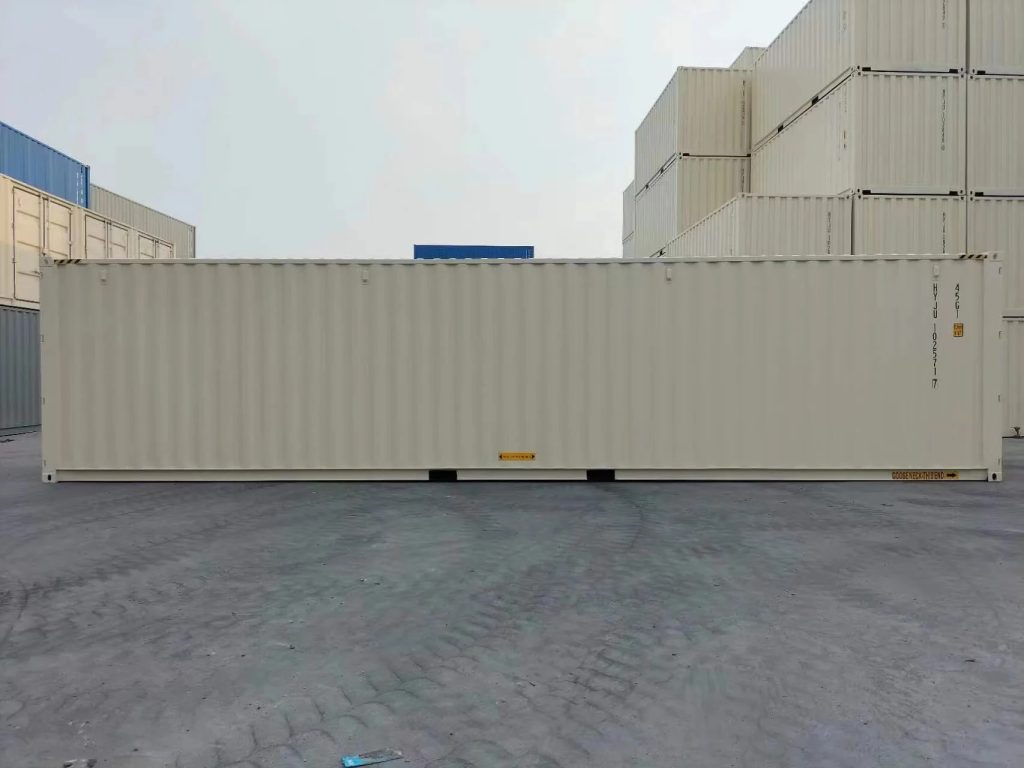 ******
————————————————————————————————————————————————————————————————————————————————————————————————————————————————————————————————————————————————————————————————————————————————————————————————————————————————————————————————————————————————————————————————————————————————————————————————————————————————————————————————————————————————————————————————————————————————————————————————————————————————————————————————————————————————————————————————————————————————————————————————————————————————————————————————————————————————————————————————————————————————————————————————————————————————————————
—————————————————————————————————————————————————————————————————————————————————————————————————————————————————————————————————————————————————————————————————————————————————————————————————————————————————————————————————————————————————————————————————————————————————————————————————————————————————————————————————————————————————————————————————————————————————————————————————————————————————————————————————————————————————————————————————————————————————————————————————————————————————————————————————————————————————————————————————————————————————————————————————————————————————————————————————————————————————————————————————————————————————————————————————————————————————————————————————————————————————————————————————————————————————————————————————————————————————————————————————————————————————————————————————————————————————————————————————————————————————————————————————————————————————————————————————————————————————————————————————————————————————————————————————————————————————————————————————————————————————————————————————————————————————————————————————————————————————————————————————————————————————————————————————————————————————————————————————————————————————————————————————————————————————————————————————————————————————————————————————————————————————————————————————————————————————————————————————————————————————————————————————————————————————————————————————————————————————————————————————————————————————————————————————————————————————————————————————————————————————————————————————————————————————————————————————————————————————————————————————————————————————————————————————————————————————————————————————————————————————————————————————————————————————————————————————————————————————————————————-